
Struggling to fall asleep night after pharmacy night can feel overwhelming. When your mind won’t switch off and your body refuses to rest, frustration quickly turns into desperation. If you’re lying awake at 2 AM wondering how to fix your sleep, you’re not alone—and more importantly, there are solutions that work.
This guide breaks down simple, practical steps to help you regain control of your sleep and start feeling like yourself again.
Why You Can’t Sleep
Before fixing the problem, it helps to understand what’s causing it. Common reasons include:
- Stress and anxiety
- Poor sleep habits
- Too much screen time before bed
- Irregular sleep schedule
- Caffeine or late-night eating
- Short-term insomnia triggered by life changes
In some cases, persistent insomnia may require medical support, but many people can improve sleep with small, consistent changes.
Step 1: Reset Your Sleep Routine
Your body thrives on consistency. Going to bed and waking up at the same time every day—even on weekends—helps regulate your internal clock.
Try this:
- Set a fixed bedtime and wake-up time
- Avoid naps longer than 20–30 minutes
- Get sunlight exposure early in the day
At first, it may feel difficult, but within a week or two, your body will begin to adapt.
Step 2: Create a Wind-Down Ritual
If you go straight from scrolling your phone to trying to sleep, your brain stays alert. You need a buffer period.
Simple wind-down ideas:
- Read a book
- Take a warm shower
- Practice deep breathing or meditation
- Listen to calming music
Even 20–30 minutes of relaxation can signal your body that it’s time to sleep.
Step 3: Fix Your Sleep Environment
Your bedroom should be designed for sleep—not stimulation.
Make these adjustments:
- Keep the room dark and quiet
- Lower the temperature slightly
- Use comfortable bedding
- Remove distractions like TVs or bright lights
A good environment can make a surprising difference in how quickly you fall asleep.
Step 4: Watch What You Consume
What you eat and drink in the evening matters more than you think.
Avoid:
- Caffeine after mid-afternoon
- Heavy meals late at night
- Alcohol (it may make you sleepy, but disrupts sleep quality)
Instead, opt for light snacks or calming herbal teas if needed.
Step 5: Manage Racing Thoughts
A busy mind is one of the biggest sleep killers.
Helpful techniques:
- Write down your thoughts before bed
- Practice slow breathing (4-7-8 method)
- Try guided sleep meditations
You’re not trying to “force” sleep—you’re helping your mind relax enough for sleep to happen naturally.
When to Consider Medical Help
If your sleep problems continue for weeks and start affecting your daily life, it may be time to speak to a doctor.
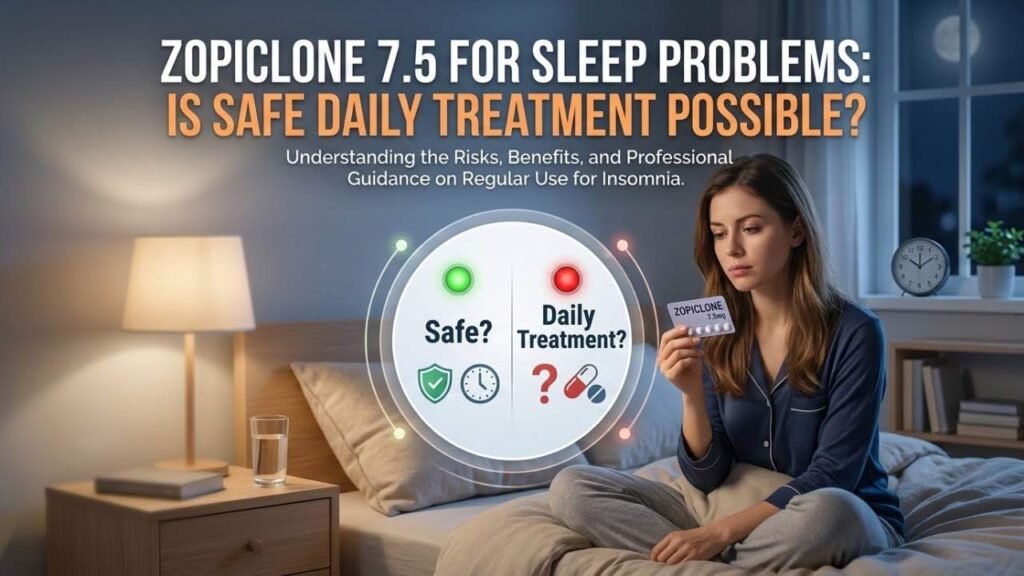
In some cases, short-term use of medications such as Zopisleep tablets or other forms of sleeping pills (UK: Zopiclone) may be prescribed. These are typically used under strict medical guidance to help reset sleep patterns.
It’s important to remember:
- These medications are usually for short-term use only
- They should only be taken if prescribed
- Misuse can lead to dependence or side effects
Always consult a healthcare professional before considering any sleep medication.
Quick Sleep Fix Checklist
If you’re feeling desperate right now, start with these:
- Go to bed at the same time tonight
- Put your phone away 30 minutes before sleep
- Dim the lights and relax your mind
- Keep your room cool and quiet
- Don’t panic if you can’t sleep—stay calm and rest
Small changes done consistently can lead to real results.
Final Thoughts
Sleep problems can feel exhausting—physically and mentally—but they are often fixable with the right approach. You don’t need to rely on quick fixes or feel stuck in a cycle of sleepless nights.
Start simple. Stay consistent. And if needed, seek professional guidance.
Better sleep is possible—and it starts tonight.
Also read: How Fast Does Zopiclone Work? A Clear UK Onset Time Guide